Precision Logistics for Mission-Critical Machinery
When a high-pressure pump fails in Antwerp, a hydraulic servo valve trips in Stuttgart, or an automated assembly line stands idle in Katowice, every single minute compounds financial disruption.
We are obsessive advocates for industrial supply-chain precision. We break down the exact operational mechanisms that make emergency European transport work: sub-hour warehouse releases, dedicated linehaul corridors, and meticulous customs contingency planning.

Systemic Reliability Across Core Network Areas
Industrial machinery does not follow convenient courier timetables. Explore our five definitive technical handbooks outlining the procedures, documentation, and handover stages necessary to prevent operational shutdowns.
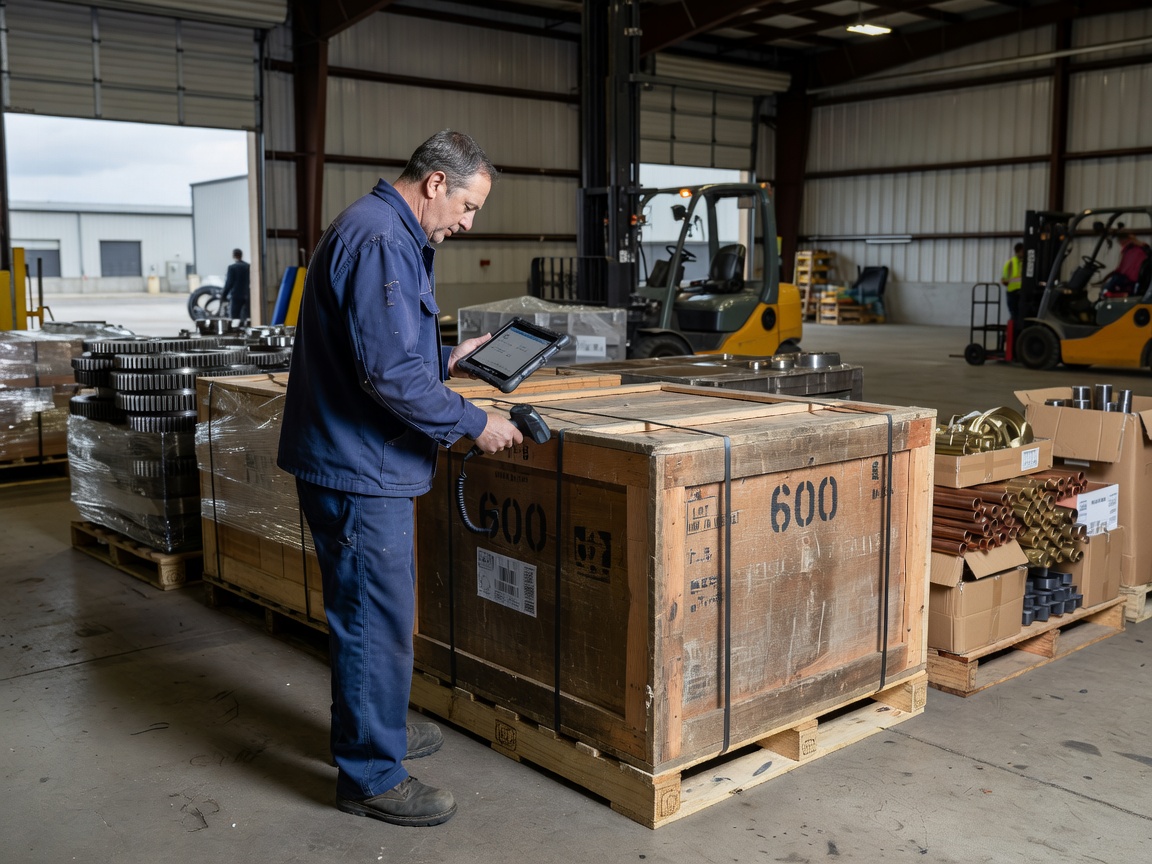
Critical Parts Dispatch
Systemic breakdown of emergency physical release from factory inventory, expedited serial matching, and fast-track loading procedures.
Same-Day Industrial Delivery
Realistic planning constraints, transport mode analysis, and point-to-point European hot-shot routing without terminal transfer delays.
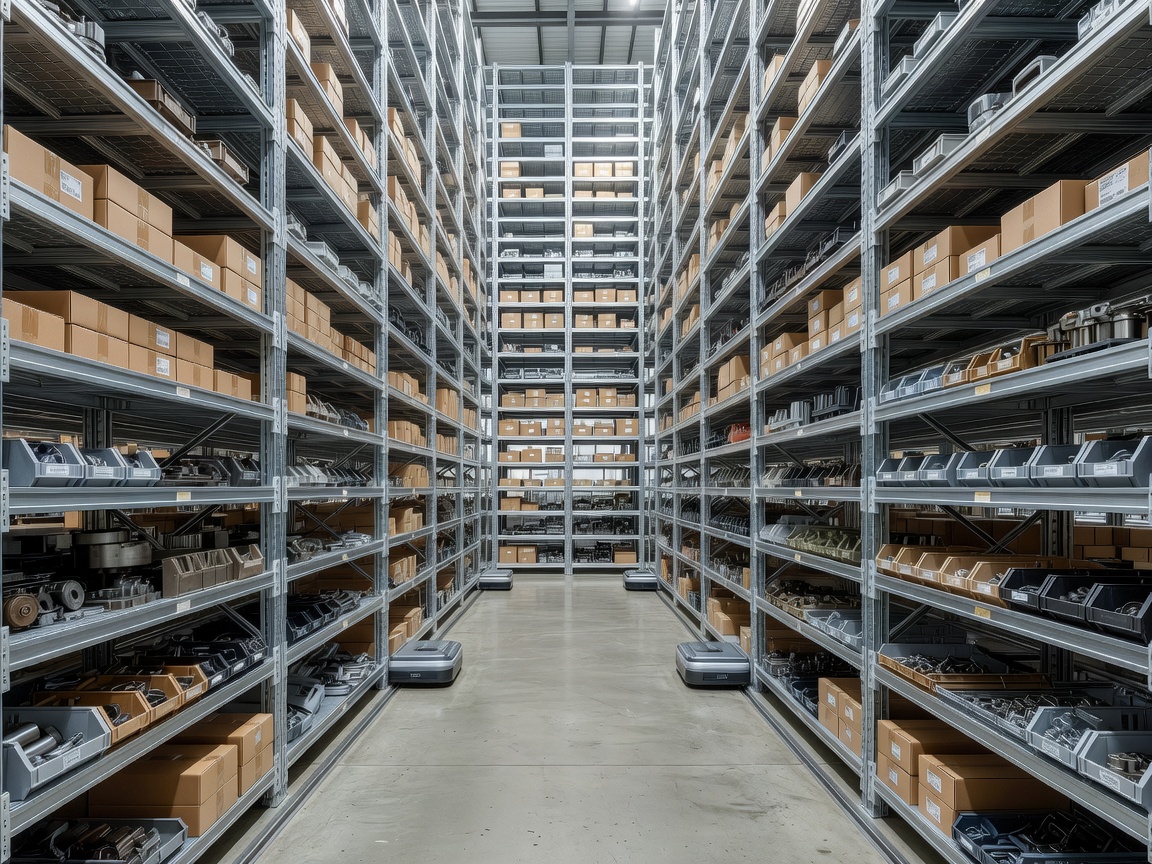
Emergency Warehouse Coordination
How off-hours picking, dark-store fulfillment, and automated high-bay retrieval feed rapid linehaul connections during unexpected outages.
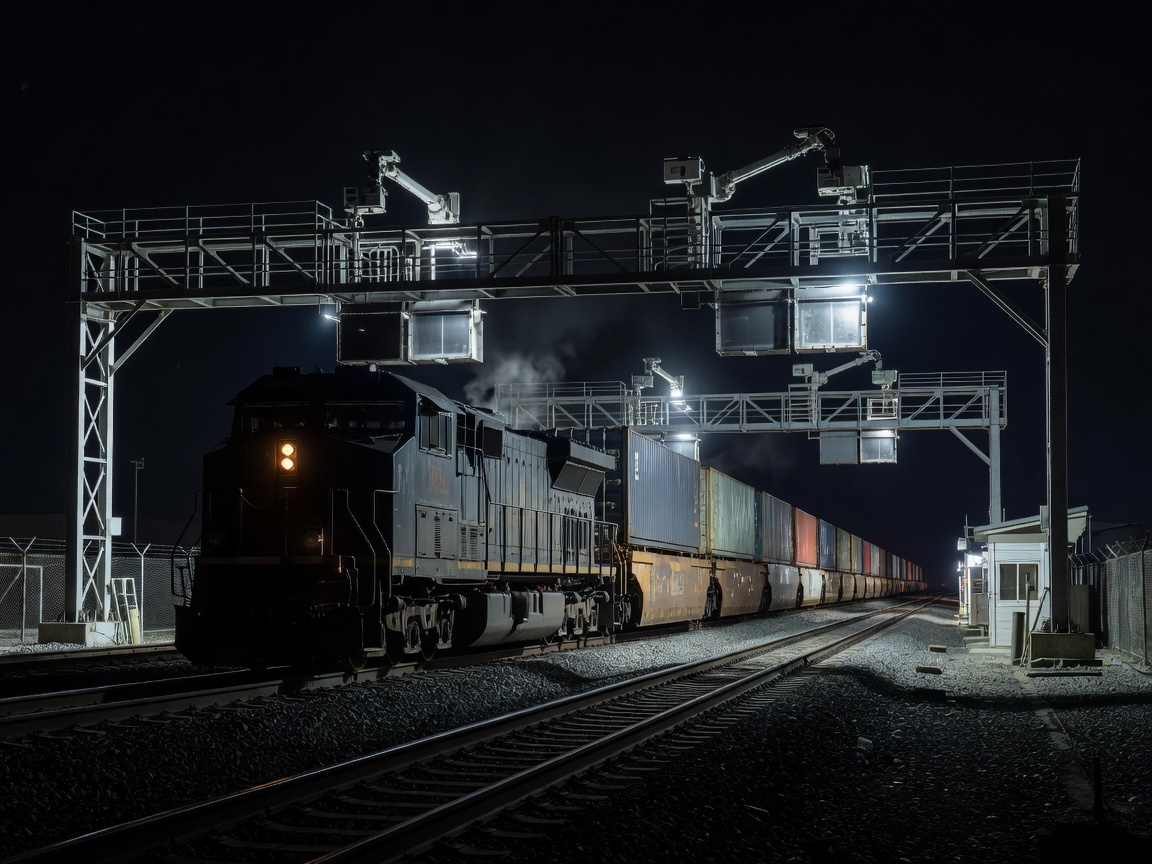
Cross-Border Parts Logistics
Navigating EU and third-country border bottlenecks, ATA Carnet handling, urgent customs declarations, and inter-modal handovers.

Priority Shipment Planning
Systematic classification frameworks for assessing downtime cost versus transit velocity, defining explicit operational criteria for critical freight.
The Realities of European Supply Continuity
Every industrial sector—from chemical processing and automotive stamping to continuous pharmaceutical batch production—relies on components that are rarely held in duplicate on site. When a multi-stage compressor bearing fails, you cannot rely on overnight consolidated parcel services that route freight through three regional sortation hubs.
We champion direct-route, single-custody principles. By understanding how dedicated transport corridors across the Alps, the Rhine-Ruhr industrial belt, and the Baltic ring function, production managers can make calculated, real-time dispatch decisions that prevent catastrophic delays.