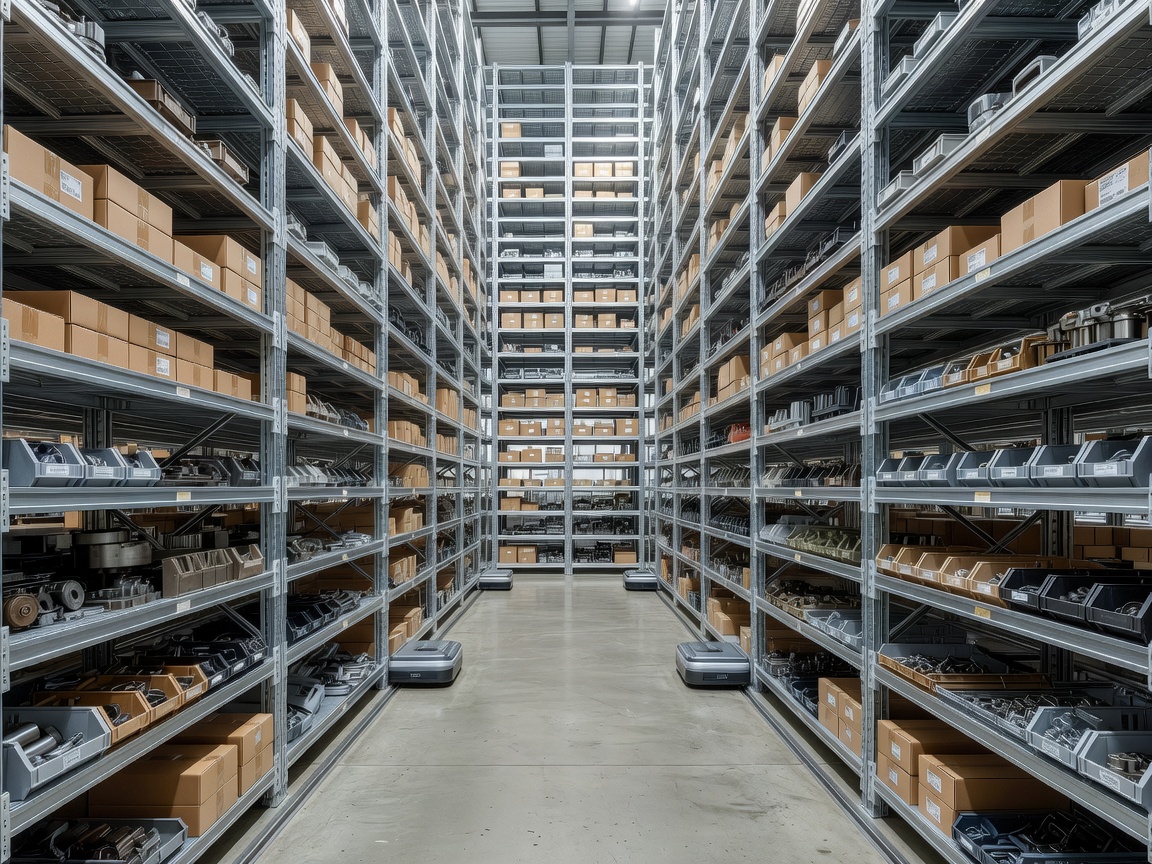
Emergency Warehouse Coordination & Off-Hours Access
Central distribution centers often turn into impenetrable fortresses after 18:00. We explore the architectural frameworks that enable authorized out-of-hours retrieval, cold-chain preservation, and secure dock operations.
A manufacturing breakdown rarely accommodates normal 08:00–17:00 operational hours. More often, critical turbine components, replacement gearboxes, or PLC modules are needed at 02:00 on a Sunday morning. Without predefined emergency call-out protocols and direct API access to live bin locations, valuable hours are squandered simply trying to find a keyholder.
Inventory Visibility and The Ghost Stock Dilemma
The most catastrophic obstacle in emergency parts fulfillment is the phenomenon of "phantom inventory"—items shown as available in enterprise resource planning (ERP) software that are physically broken, reserved for scheduled maintenance, or misplaced in return staging areas.
To establish resilient out-of-hours coordination, central parts depots must institute three structural controls:
- Perpetual Quarantine Separation: Defective or returned parts must never reside in the same physical or digital bin sector as pristine, certified replacement units.
- High-Bay Aisle Telemetry: Automatic logging of retrieval crane positions to ensure automated storage and retrieval systems (ASRS) do not experience software deadlocks during unmanned night shifts.
- Physical Keyholder Rostering: Maintaining a certified two-person emergency call-out roster with documented maximum arrival times to the facility gate.
Comparison of Warehouse Emergency Fulfillment Modes
| Fulfillment Architecture | Operational Latency | Staffing Overhead | Suitability Profile |
|---|---|---|---|
| On-Call Standby Crew (Manual) | 60–90 Minutes to Pick | Moderate (Callout bonuses) | Heavy mechanical assemblies, crated gearboxes, oversized valves. |
| Automated "Dark Hub" (ASRS) | 15–30 Minutes to Dock | Low on-site, High IT support | Standardized electronic controls, relays, standardized hydraulic fittings. |
| Consignment Depot at Plant Perimeter | 5–15 Minutes to Point of Use | Low ongoing overhead | Highest-wear consumables, plant-specific bespoke sealing kits. |
Off-Hours Physical Packaging and Security Protocols
Extracting a component during an emergency shift introduces distinct physical hazards. Rushing through the warehouse in dim lighting often leads to packing errors or damage to fragile precision surfaces.
Every out-of-hours retrieval checklist must mandate:
Verification that total package mass does not exceed the tail-lift capacity of the incoming courier vehicle.
Application of desiccant packs and nitrogen purging where delicate sub-assemblies require climate stability.
Affixing numbered tamper-evident cable ties with barcode recorded directly into the physical release manifest.
Driver identity check via company badge and transport order confirmation prior to raising security bollards.
Cross-Functional Coordination
Once a part is cleared from the warehouse floor, managing international transport becomes paramount. Review our procedural manuals for Cross-Border Parts Logistics or examine dispatch workflows in Critical Parts Dispatch.